The name of Cardiff RFC is renowned throughout the rugby world but how many people realise that the game as played today owes a great debt to Cardiff Rugby Club? In the early years, rugby teams often contained more than fifteen players per side but as the game developed then fifteen became the norm. Unlike today, the sides contained 9 or even 10 forwards and only five or six backs. So why did it change? The answer to this is to be found in the early history of Cardiff rugby and like many of history’s greatest events owed more to a chance event rather than meticulous planning.
Francis Escott Hancock, born in Somerset in 1859, was an outstanding rugby player. At the age of just 17 he was already captain of local team (leading them through two seasons when they were unbeaten at home) and captained Somerset.
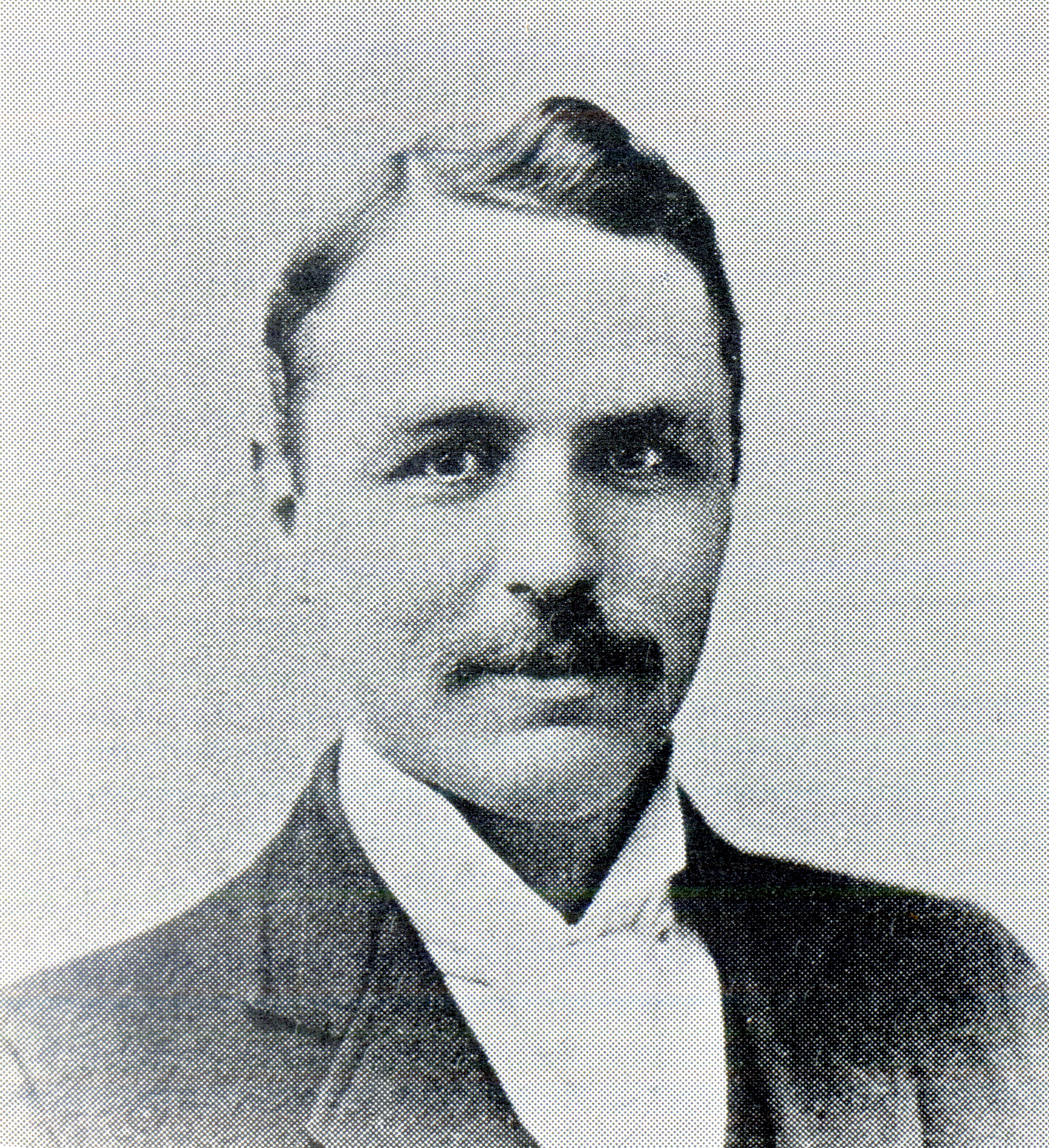 Frank Hancock
In 1884 he moved to Cardiff to help his brother in the family brewing business and was invited to turn out for Cardiff as their regular centre (Tom Williams) was unavailable. Playing away at Cheltenham College (a leading side of the time) Hancock played brilliantly, scoring the two tries in Cardiff’s 8-0 victory. Having played so well, he had to play in the next game at home against Gloucester. The only slight problem was that Williams was now available and was also difficult to leave out of side. A solution was to play both and take to the field with eight forwards and seven backs. The game ended in a 0-0 draw but the Cardiff selectors had seen enough to convince them to continue with the system for the remainder of the season.
For the 1885-6 season Hancock was appointed captain of Cardiff and using this formation they were unbeaten until the last game of the season when they lost to Moseley. Cardiff only conceded four tries all season (three by Moseley and one by Gloucester) whilst scoring 131 themselves. Hancock was keen on open rugby and under his captaincy during the season no penalty goals were attempted. Only one player attempted a drop goal and Hancock very quickly told him that it was unacceptable and warned the team that anybody attempting such a thing in future would be sent off for disobeying his instructions.
Other teams quickly recognised the benefits of the new formation and gradually adopted the four three-quarter system that we are familiar with today.
Francis Escott Hancock, born in Somerset in 1859, was an outstanding rugby player. At the age of just 17 he was already captain of local team (leading them through two seasons when they were unbeaten at home) and captained Somerset.
Frank HancockIn 1884 he moved to Cardiff to help his brother in the family brewing business and was invited to turn out for Cardiff as their regular centre (Tom Williams) was unavailable. Playing away at Cheltenham College (a leading side of the time) Hancock played brilliantly, scoring the two tries in Cardiff’s 8-0 victory. Having played so well, he had to play in the next game at home against Gloucester. The only slight problem was that Williams was now available and was also difficult to leave out of side. A solution was to play both and take to the field with eight forwards and seven backs. The game ended in a 0-0 draw but the Cardiff selectors had seen enough to convince them to continue with the system for the remainder of the season.
For the 1885-6 season Hancock was appointed captain of Cardiff and using this formation they were unbeaten until the last game of the season when they lost to Moseley. Cardiff only conceded four tries all season (three by Moseley and one by Gloucester) whilst scoring 131 themselves. Hancock was keen on open rugby and under his captaincy during the season no penalty goals were attempted. Only one player attempted a drop goal and Hancock very quickly told him that it was unacceptable and warned the team that anybody attempting such a thing in future would be sent off for disobeying his instructions.
Other teams quickly recognised the benefits of the new formation and gradually adopted the four three-quarter system that we are familiar with today.